Disclosure: Brolic is ours. The advice works with any app, or with pen and paper.
In short
Squat two or three times a week, add weight in small steps, and keep every rep to the same depth. Brace hard before each rep, build your legs and back with a couple of extra exercises, and eat and sleep enough to recover. Log every set so each session has a number to beat.
- Frequent practice and small jumps beat one heroic day.
- Same depth every rep, or the numbers lie.
- Brace, then go — your trunk holds the bar up.
1. Squat more often
Once a week is a slow way to learn a lift. Two or three sessions — one heavier, one or two lighter — give you more practice and more chances to add a little.
2. Add weight in small steps
Use a rep range and add the smallest jump when you hit the top of it on every set. Small, steady increases go much further than big jumps you then fail. The method is in how to do progressive overload.
3. Same depth, same setup, every rep
A squat that gets a little higher as the weight goes up isn’t a stronger squat. Pick a depth — hip crease at or below the top of the knee is the usual standard — and hold every rep to it. Keep the bar over the middle of your foot, feet about shoulder width, toes turned out a little and knees following your toes. Film a set from the side now and then.
4. Brace before every rep
Take a big breath into your belly, tighten your middle as if someone is about to push you, then go down. Hold it through the hardest part of the way up and breathe at the top. A loose middle leaks power and makes the bar feel heavier than it is.
5. Build the muscles that move it
Add two or three of these after squats: paused squats (strength out of the bottom), front squats or leg press (quads), Romanian deadlifts (hamstrings and back), and split squats or lunges (each leg on its own).
6. Recover, and log every set
Strength is built after the session: enough protein and enough food overall, seven to nine hours of sleep, and a lighter week when everything feels heavy. Then write down every set, so you know exactly what to beat. To see how your squat compares with your bodyweight, read how strong should I be for my weight.
Track your squat with Brolic
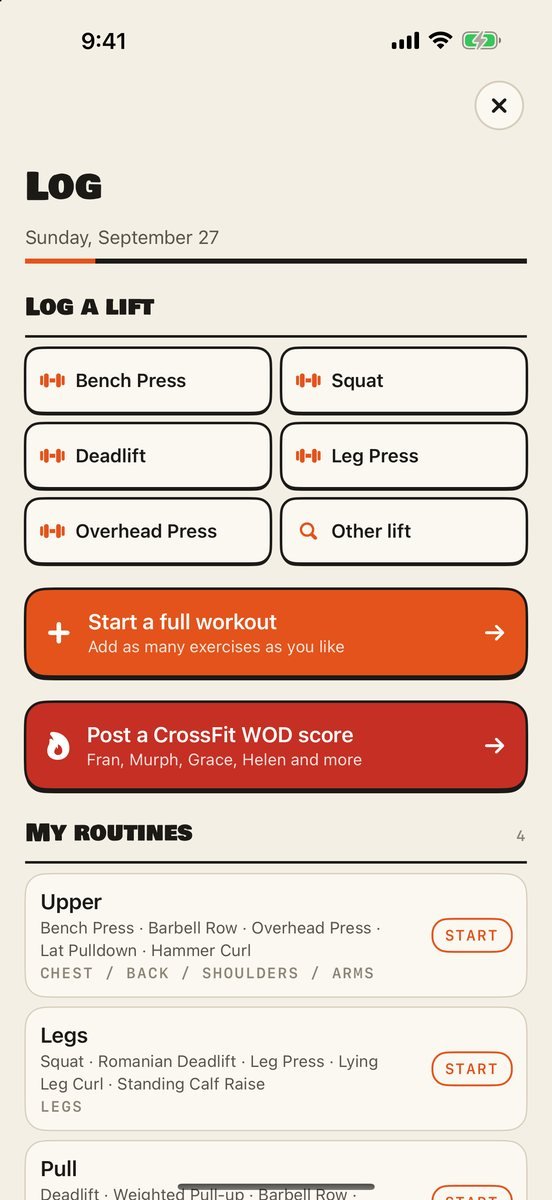
- Tap Squat. It’s one tap on the Log screen. Type the weight and reps and tick the set; warm-ups never count toward your records.
- Repeat or beat last time. The next set shows your last numbers in grey — tick to repeat them, or type more.
- Watch the trend. Progress shows your squat max, how much it has gone up since you started, and a bar to your next strength level.
- Pass the next lifter. The squat leaderboard shows your spot and exactly how much it takes to pass the person above you.
Brolic is free, with no subscription, no in-app purchases and no ads. It needs an account for the leaderboards.
Common questions
How can I increase my squat fast?
Squat two or three times a week, add the smallest jump when you hit your reps, brace hard and keep the depth the same. Beginners can often add weight almost every session for a while.
How often should I squat to get stronger?
Two or three times a week works for most people — one heavier day and one or two lighter ones.
Why is my squat not going up?
Usually not enough food or sleep, changing depth, a loose brace, or jumping too much weight at once. A log shows which.
What is a good squat for my weight?
As a rough rule of thumb, about 1.5× bodyweight is a solid milestone for men and about 1.25× for women after a year or two of training.
Published · No affiliate links










 MMA.socialUFC fan ratings
 TrendingPunjabiPunjabi music charts
 BoldOpinionAnonymous hot takes